The Representation Cartel: How CAA, WME, and UTA Fixed Prices and Divided Territory Like the Mafia
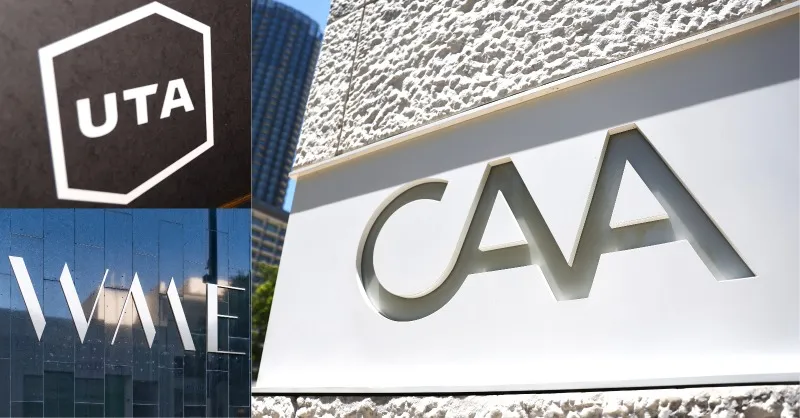
Table of Contents
Hollywood's Big Three talent agencies have secretly operated as a criminal cartel for decades, systematically fixing prices, dividing territory, and eliminating competition through mafia-style tactics that have cost clients billions while enriching agency executives, sources tell DecodeHollywood.com. Insiders say it's a calculated conspiracy disguised as "industry standards" and a devastating betrayal of fiduciary duty that has turned talent representation into organized crime.
The federal antitrust investigations that have quietly targeted Creative Artists Agency, William Morris Endeavor, and United Talent Agency represent just the visible tip of an iceberg exposing how Hollywood's most powerful agencies have operated as a sophisticated criminal enterprise. What appears to be legitimate business competition has actually been a decades-long conspiracy where the Big Three agencies coordinate pricing, divide clients geographically, and eliminate smaller competitors through tactics that would make traditional organized crime families proud.
Recent Department of Justice probes into the agencies' coordination on COVID refund policies have revealed systematic collusion that sources tell DecodeHollywood.com represents only a fraction of the cartel activities that have generated billions in illegal profits while systematically defrauding talent clients who believed they were receiving independent representation.
"The Big Three don't compete with each other, they coordinate against everyone else," one former agency executive revealed anonymously. "It's the most sophisticated price-fixing operation in American business history, and it's been operating in plain sight for so long that people think it's legal."
Has Hollywood's Agency System Been One Giant Criminal Conspiracy?
The scope of the talent agency cartel becomes clear when examining how CAA, WME, and UTA have allegedly transformed legitimate business practices into systematic racketeering operations. Sources tell DecodeHollywood.com that the agencies coordinate through what they call "industry standards" but what actually constitutes illegal price-fixing agreements that ensure none of them compete on commission rates or service terms.
The Writers Guild of America's antitrust lawsuit against the Big Three agencies exposed systematic coordination on packaging fees, with the WGA alleging that "Lee Gabler of CAA and Ari Emanuel conspired in the 1990s to set the '3-3-10' TV packaging fee structure" and that agencies have "exchanged sensitive information to maintain this cartel."
While courts dismissed federal price-fixing claims due to technicalities, sources tell DecodeHollywood.com that the coordination extends far beyond packaging fees into every aspect of talent representation, including commission rates, territory division, and client poaching protocols that eliminate genuine competition between agencies.
"They pretend to compete for clients, but it's all theater," one former UTA agent revealed. "Behind the scenes, they coordinate who goes after which talent, what rates they'll charge, and how to squeeze out smaller agencies that might offer better deals."
The cartel allegedly operates through regular coordination meetings disguised as industry events, where agency executives share pricing information, coordinate bidding strategies, and divide market territories to ensure each agency maintains dominance in specific client sectors without meaningful competition from the others.
The Price-Fixing Scheme That Steals Billions from Talent
Perhaps the most damaging aspect of the agency cartel is how it has allegedly fixed commission rates across the industry to prevent clients from receiving competitive pricing on representation services. Sources tell DecodeHollywood.com that the standard 10% commission rate for union work and 20% for non-union work isn't based on market competition but on cartel coordination designed to maximize agency profits.
Industry regulations limit talent agent commissions to 10% for union jobs, but sources reveal this rate was established through agency lobbying rather than competitive market forces, with the Big Three agencies coordinating to ensure no major agency undercuts the standard rate structure.
Even more disturbing is how the agencies allegedly coordinate on "value-added" services and additional fees that can effectively double or triple the real cost of representation. The cartel reportedly operates through systematic fee coordination where agencies ensure they all charge similar rates for services like marketing, packaging, and contract negotiation.
"The 10% commission is just the entry fee," one former CAA executive revealed. "Between packaging fees, marketing charges, and hidden costs, clients often end up paying 25-30% total, and all three agencies coordinate to ensure nobody offers a better deal."
The price-fixing allegedly extends to coordination on which clients receive premium services versus standard representation, with the agencies reportedly sharing information about client earnings and coordinating service levels to prevent competitive bidding that might benefit talent.
Sources tell DecodeHollywood.com that internal agency documents allegedly show systematic coordination on pricing strategies, with the Big Three sharing competitive intelligence and coordinating fee structures to ensure maximum profit extraction from talent clients who believe they're receiving competitive representation.
The Territory Division System That Eliminates Competition
What makes the agency cartel so effective is how CAA, WME, and UTA have allegedly divided Hollywood into exclusive territories and client sectors, eliminating genuine competition through geographic and demographic market division that ensures each agency maintains dominance without meaningful challenges from the others.
Sources tell DecodeHollywood.com that the agencies operate through informal "non-compete" agreements where each agency specializes in different types of talent and geographic markets, creating artificial monopolies that prevent clients from receiving competitive representation offers.
"CAA dominates film, WME controls television and sports, UTA owns certain music sectors," one industry insider revealed. "It looks like natural specialization, but it's actually coordinated market division designed to eliminate competition. They don't poach each other's signature clients because they've divided the territory like mob families."
The territory division allegedly extends to international markets, with the agencies coordinating their global expansion to ensure they don't compete directly in overseas territories. This creates artificial scarcity where talent in specific regions or genres have limited representation options, allowing the agencies to charge premium rates without competitive pressure.
Recent industry consolidation, including CAA's acquisition of ICM Partners, represents continuation of the cartel strategy where major agencies eliminate smaller competitors while maintaining the illusion of a competitive marketplace.
Sources describe systematic coordination where the Big Three agencies share information about client prospects, coordinate bidding strategies, and ensure that acquisition targets don't develop competitive advantages that might threaten the cartel's pricing power or market control.
The Elimination Strategy for Independent Competitors
Perhaps the most ruthless aspect of the agency cartel is how it has allegedly developed sophisticated strategies for eliminating independent agencies and smaller competitors who might offer better deals or more personalized service to talent clients.
Sources tell DecodeHollywood.com that the Big Three agencies coordinate "predatory pricing" strategies where they temporarily offer below-market rates to steal clients from independent agencies, then raise prices once the smaller competitor has been driven out of business.
"They'll take a loss for months or even years to kill a smaller agency," one former industry executive revealed. "Once the independent is gone, they jack the prices back up and the client has nowhere else to go. It's classic monopoly behavior disguised as competitive business."
The elimination strategy allegedly includes coordinated client poaching, where the agencies share information about independent agencies' client rosters and coordinate simultaneous recruiting efforts designed to destabilize smaller competitors by stealing their most valuable talent.
Even more disturbing is how the cartel allegedly uses its industry influence to blacklist talent who work with non-cartel agencies, creating artificial pressure for clients to abandon independent representation in favor of Big Three agencies that coordinate against their interests.
The Department of Justice investigation into the agencies' COVID coordination allegedly revealed systematic information sharing between the agencies that extends far beyond pandemic response into ongoing coordination on competitive strategies and client management.
The Packaging Fee Fraud That Betrays Fiduciary Duty
The most legally problematic aspect of the agency cartel involves how packaging fees have allegedly been used to create systematic conflicts of interest that betray the agencies' fiduciary duty to their talent clients while generating billions in coordinated profits.
The WGA's lawsuit alleged that packaging fees create illegal kickbacks where agencies receive payments from producers rather than their own clients, creating incentives to prioritize studio interests over talent representation.
Sources tell DecodeHollywood.com that the Big Three agencies coordinate packaging fee structures to ensure they all benefit from the same conflict-of-interest arrangements while preventing any agency from offering conflict-free representation that might expose the systemic nature of the fraud.
"Packaging fees are basically legalized bribery," one former WME executive revealed. "The agencies get paid by the studios to deliver talent at below-market rates, and they coordinate to ensure no agency offers honest representation that might expose the scam."
The coordination allegedly extends to sharing information about which projects offer the most lucrative packaging opportunities, with the agencies reportedly coordinating to ensure maximum profit extraction from these conflict-of-interest arrangements.
Even more damaging is how the agencies allegedly coordinate on client communication about packaging fees, ensuring that talent remains unaware of the systematic conflicts of interest that prioritize agency profits over client representation.
Social Media Manipulation and Public Relations Coordination
The agency cartel has allegedly extended its coordination into sophisticated public relations and social media manipulation campaigns designed to maintain the illusion of competition while suppressing criticism of cartel activities.
Sources tell DecodeHollywood.com that the Big Three agencies coordinate responses to negative publicity, share strategies for managing crisis communications, and coordinate on social media messaging to ensure consistent narratives that protect cartel interests.
"When one agency gets bad press, they all coordinate their response," one former agency publicist revealed. "They share talking points, coordinate media strategy, and ensure that no agency breaks ranks by offering genuine reforms that might expose the others."
The coordination allegedly includes systematic social media manipulation where the agencies coordinate bot networks and influence operations designed to suppress criticism while promoting narratives that support cartel activities.
Industry observers have noted how remarkably similar the agencies' public statements become during crisis situations, suggesting coordinated messaging rather than independent corporate communications.
The Regulatory Capture That Enables Criminal Activity
What allows the agency cartel to operate with virtual impunity is how the Big Three agencies have allegedly captured regulatory oversight through coordinated lobbying, regulatory relationships, and political influence that neutralize government scrutiny of cartel activities.
Sources tell DecodeHollywood.com that the agencies coordinate their regulatory strategy, sharing information about investigations and coordinating responses to ensure that government oversight remains ineffective at detecting or prosecuting cartel activities.
"They know which regulators to pay attention to, which investigations to worry about, and how to coordinate their responses to minimize exposure," one former government official revealed. "It's regulatory capture on a massive scale."
The coordination allegedly extends to sharing legal strategies and coordinating with defense attorneys to ensure that any government investigations face unified resistance rather than competitive pressure that might encourage agencies to cooperate with prosecutors.
Recent DOJ investigations have allegedly been neutralized through coordinated legal resistance and information sharing that prevents prosecutors from developing the evidence necessary for successful cartel prosecutions.
What Clients Don't Know About Agency "Competition"
The most devastating revelation about the agency cartel is how talent clients have been systematically deceived about the nature of agency representation, believing they're receiving competitive services when they're actually being exploited by a coordinated criminal enterprise.
Sources tell DecodeHollywood.com that the agencies maintain detailed client information sharing systems that allow them to coordinate on pricing, service levels, and contract terms while maintaining the illusion that clients are receiving independent representation.
"Clients think they're choosing between different agencies, but they're really just choosing different faces for the same cartel," one former talent manager revealed. "The pricing is coordinated, the service levels are standardized, and the conflicts of interest are systematic across all three agencies."
The deception allegedly extends to coordinated bidding for major clients, where the agencies coordinate their pitches to ensure that talent receives artificially similar offers rather than genuinely competitive alternatives that might benefit client interests.
Even contract negotiation is allegedly coordinated, with the agencies sharing information about industry standards and ensuring that no agency offers significantly better terms that might expose how the cartel restricts competitive benefits for talent clients.
Hollywood's talent agency cartel represents the entertainment industry's most successful criminal conspiracy, operating a billion-dollar racketeering enterprise disguised as legitimate business competition while systematically defrauding talent clients who believe they're receiving independent representation.
The Big Three agencies haven't just fixed prices and divided territory but have created a comprehensive criminal enterprise that captures regulatory oversight, eliminates competitive threats, and betrays fiduciary duties while generating massive profits through coordinated fraud. In Hollywood's representation cartel, the only people not getting a fair deal are the talent clients who pay for competitive representation but receive coordinated exploitation instead.
Sources:
- TheWrap - CAA, WME, UTA Investigated as Justice Department Probes Ticket Refunds During COVID
- Variety - Judge Dismisses Most of WGA Packaging Fee Lawsuit Against WME, CAA and UTA
- Deadline - WGA Withdraws Lawsuit Against CAA, WME And UTA From State Court, Refiles With Feds
- TheWrap - No M&A for UTA? Why the Agency May Buck Hollywood's Consolidation Wave
- Media Services - Talent Agents and Fees: A Producer's Guide
- Deadline - UTA Begins Process Of End-Of-Year Agent Cuts
- Wikipedia - Talent agent
- Backstage - Show Me the Money: The Actor's Guide to Agent Fees