The Awards Season Mafia: How $500 Million Buys You an Oscar Campaign
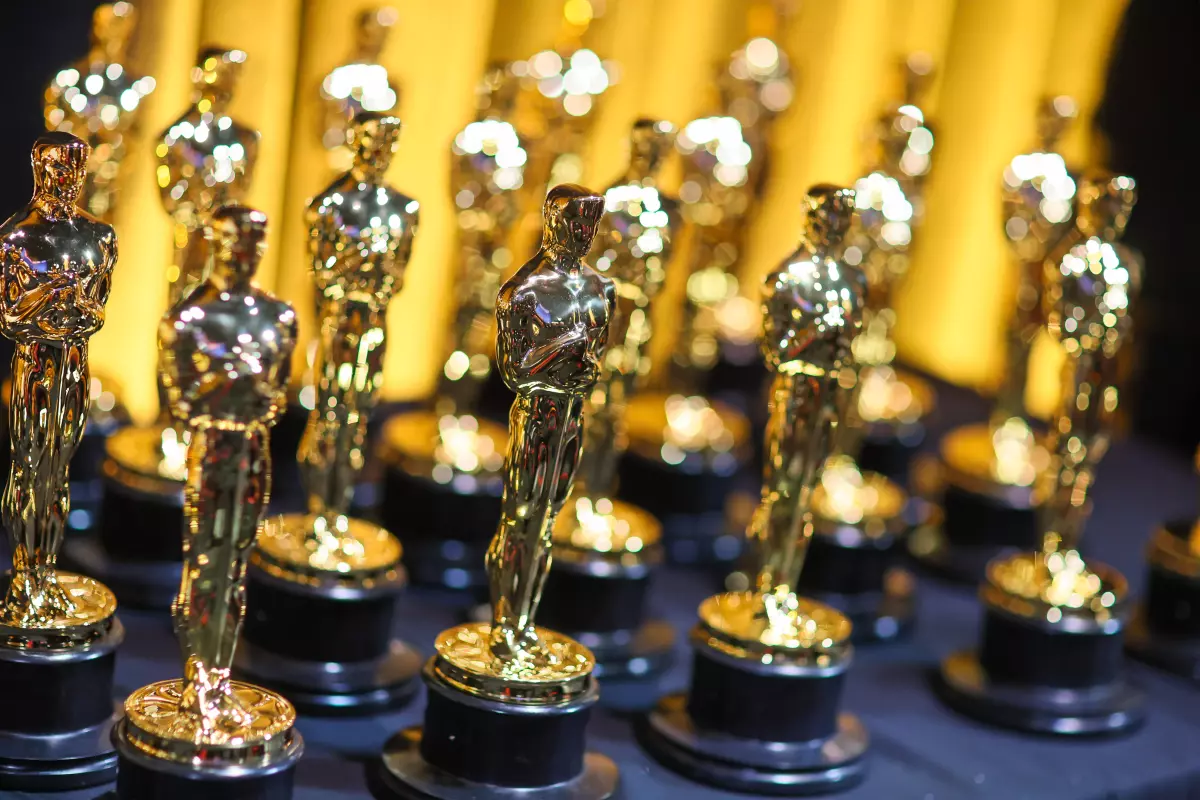
Table of Contents
Studios have secretly weaponized half a billion dollars to manipulate Academy votes and manufacture Oscar wins, sources tell DecodeHollywood.com. Insiders say it's a calculated system of vote buying disguised as "campaigning" and a devastating blow to artistic merit in Hollywood's most prestigious awards.
The golden statuette may only cost $400 to make, but the shadow network of influence peddling behind each Academy Award victory runs deeper than anyone imagined. What appears to be harmless "For Your Consideration" campaigns has morphed into an industrial-scale operation where studios don't just promote films—they engineer Oscar outcomes through systematic vote manipulation, lavish bribery schemes, and backroom deals that would make political operatives blush.
"I cannot explain to you how much will be spent on just campaigning for this year's slate of movies for the Oscars, probably up to half a billion dollars," reveals industry insider Marina Hyde in a recent exposé. "It's a lovely town, isn't it?"
Has Hollywood Turned Oscar Night Into An Auction?
The numbers don't lie, and they're staggering. Individual Oscar campaigns for major contenders like "A Star Is Born" and "Roma" have reached $20-30 million per film, with Netflix alone estimated to have spent astronomical sums chasing their first Best Picture win. But sources close to the Academy tell DecodeHollywood.com that the publicly reported figures barely scratch the surface.
"More money is flying around than I have ever seen," confided one veteran distribution executive to Variety, though our sources suggest even these industry veterans are being kept in the dark about the true scope of the spending.
The Academy's own ceremony costs hit $56.9 million for 2024 alone, but that's pocket change compared to the shadow campaigns running parallel to the official awards season. A single film can employ more than a dozen people in dedicated "war rooms" solely focused on awards strategy, creating what amounts to political campaign operations with unlimited budgets and no oversight.
The Goodie Bag Bribery Machine
Perhaps nowhere is the corruption more blatant than in the notorious Academy "goodie bags" that have become legendary symbols of excess. While the Academy claims these $180,000+ gift packages aren't official, sources tell DecodeHollywood.com they're anything but innocent.
Recent goodie bags have included 50,000 Swiss chalet retreats, project management services worth tens of thousands, luxury vacations, and holistic wellness treatments. "These extravagant gifts serve a dual purpose: they ensure nominees feel like winners regardless of the outcome, and they generate additional publicity," according to industry analysis.
But insiders say the real influence peddling happens off the books. "You are expected to be available for effectively months to do this," described Jeffrey Wright, revealing the brutal schedule actors must maintain to court voters. The system forces Oscar hopefuls into a months-long charm offensive where studios control every interaction with Academy members.
One source close to a major campaign told DecodeHollywood.com: "The goodie bags are just the tip of the iceberg. The real money flows through private events, exclusive screenings, and personal meetings that never make it onto any campaign disclosure."
Netflix's Acquisition Spree Exposes The System
Netflix's aggressive Oscar strategy has inadvertently revealed how deep the manipulation runs. The streaming giant acquired an entire awards-focused press agency led by Lisa Taback specifically to navigate what insiders call "the vagaries of Oscar season." This wasn't hiring a publicist—this was acquiring an entire influence network with pre-existing relationships to Academy voters.
"A victory would come in handy as the indie label tries to prove its value to its new owners at Disney," sources revealed about Fox Searchlight's campaign strategies, exposing how Oscar wins have become corporate merger talking points rather than artistic recognition.
The result is a system where, according to industry analysis, "There are very few surprises and you'll see movies in the cinema that will never ever get anywhere of the Oscars because they just don't have the money spent on them."
The Vote Verification Scandal Academy Doesn't Want You To Know
In 2025, the Academy quietly implemented new procedures requiring members to view all nominated films within a category to be eligible to vote—a move insiders say was designed to combat widespread vote trading and uninformed ballot casting that campaigns had been exploiting for years.
The verification process through the Academy's members-only streaming platform sounds reasonable until you understand what it's really designed to prevent. Sources tell DecodeHollywood.com that campaigns had been coaching voters on how to vote in categories they'd never actually watched, creating a system where influence mattered more than artistic merit.
"The voter turnout for the nomination phase is very low. It shows it doesn't take much to get a nomination," one awards strategist revealed to Variety's anonymous ballot investigation, inadvertently exposing how a small group of influenced voters can manipulate the entire nominations process.
The Andrea Riseborough Precedent: When The Quiet Part Got Said Out Loud
The 2023 Andrea Riseborough campaign for "To Leslie" accidentally exposed the entire shadow network when her surprise Best Actress nomination triggered an Academy investigation. What looked like grassroots support from fellow actors was revealed to be an orchestrated campaign that pushed the boundaries of acceptable influence peddling.
The Academy's response was telling: they updated campaign rules to officially recognize "private events and gatherings" while forbidding companies from funding them—essentially creating a legal framework for the influence peddling they couldn't stop.
"People are now going to say, 'Where's my Andrea Riseborough campaign?'" one veteran awards consultant revealed, suggesting the scandal had inadvertently created a roadmap for future manipulation rather than preventing it.
The Social Media Manipulation Network
The new Academy rules reveal another disturbing reality: systematic social media manipulation by campaigns. The updated regulations specifically prohibit members from using social media for "discussing voting preferences, decisions, strategies, or eligibility requirements"—rules that wouldn't exist unless the manipulation was already widespread.
Sources tell DecodeHollywood.com that campaigns have been employing social media specialists to create fake grassroots movements, coordinate posting schedules among industry influencers, and suppress negative content about competing films. One insider described it as "political opposition research meets entertainment marketing."
The fact that Academy governors now face "severe restrictions" on campaign activity suggests that even the organization's leadership had become compromised by the influence operations.
Category Fraud: The Open Secret Everyone Ignores
Perhaps the most blatant manipulation involves "category fraud"—placing lead actors in supporting categories to avoid competition. The 2025 season saw what Variety called "some of the most blatant category fraud in recent memory," with Zoe Saldana winning Supporting Actress despite having more screen time than the supposed lead.
"For perhaps the first time in history, four 'leading' acting nominees won Oscars—despite two of those victories coming for 'supporting' roles," the analysis revealed, exposing how campaigns now routinely manipulate basic categorization to manufacture easier paths to victory.
This isn't innocent strategic thinking—it's systematic deception that undermines the entire premise of competitive categories. When campaigns can arbitrarily reassign roles to create favorable matchups, the awards cease to measure artistic achievement and become purely transactional.
The International Vote Buying Operation
The Academy's expansion to nearly 10,000 members globally has created new opportunities for influence peddling that campaigns have eagerly exploited. Sources tell DecodeHollywood.com that international members are often targeted with different influence strategies, including cultural exchange programs, film festival appearances, and "educational" screenings that function as elaborate courting operations.
The controversial success of "Emilia Pérez" despite widespread criticism from Mexican audiences highlights how campaigns can manipulate international perception while ignoring authentic cultural voices. As analysis revealed, "while Mexicans dislike it, for many among the voting board, Emilia Pérez possesses many qualities the Academy looks for in a Best Picture nominee."
This creates a system where campaigns can manufacture international credibility while actual international audiences reject the films—a clear sign that influence operations are targeting voters rather than reflecting genuine global appreciation.
What The Academy Won't Admit: It's Working Exactly As Intended
The most damning evidence that this system is intentional rather than accidental comes from the Academy's own responses to scandals. Rather than investigating the financial networks behind campaigns or demanding transparency in spending, they've consistently implemented rules that legitimize the influence peddling while creating plausible deniability.
The move to earlier ceremony dates, the digital-only communications requirements, and the member verification systems all serve to institutionalize what was once underground activity. Rather than stopping vote buying, they've simply professionalized it.
"Due to the positive exposure and prestige of the Academy Awards, studios spend around 25 million dollars and hire publicists specifically to promote their films," the Academy's own materials acknowledge, as if this industrial-scale influence operation is somehow normal or acceptable.
Sources close to Academy leadership tell DecodeHollywood.com that the organization has essentially given up on preventing campaign manipulation and instead focuses on managing the optics of the influence peddling they can no longer control.
The half-billion-dollar awards season spending isn't a bug in the system—it's the entire system. What we call "Oscar campaigns" are actually influence-buying operations where studios don't promote artistic merit but purchase votes through sophisticated networks of bribery, manipulation, and access trading.
The golden statuettes handed out each March aren't recognition of cinematic excellence—they're receipts for the most successful influence-buying operations in entertainment history. In Hollywood's most prestigious awards, the best films don't win, but the best-funded campaigns always do.
Sources:
- Variety - Oscar Campaign Spending Reaches New Heights in Competitive Season
- Fortune - Inside the Oscars 2024's $56.9 million price tag
- Ikon London Magazine - How to Buy an Oscar: Inside Hollywood's Most Expensive Campaign Season
- Academy Awards - Wikipedia
- Deadline - Oscars: Academy Sets New Campaign Rules And Regulations In Wake Of Andrea Riseborough Controversy
- Variety - Oscars: How Category Fraud, Social Media Scandals and Independent Film Defined an Unpredictable Season
- Variety - Anonymous Oscars Ballots Revealed
- The Indiependent - Controversy at The Oscars 2025