The Billion-Dollar Bet: Disney Injects Cash and IP Into OpenAI, Unleashing Sora in Hollywood's Backlot
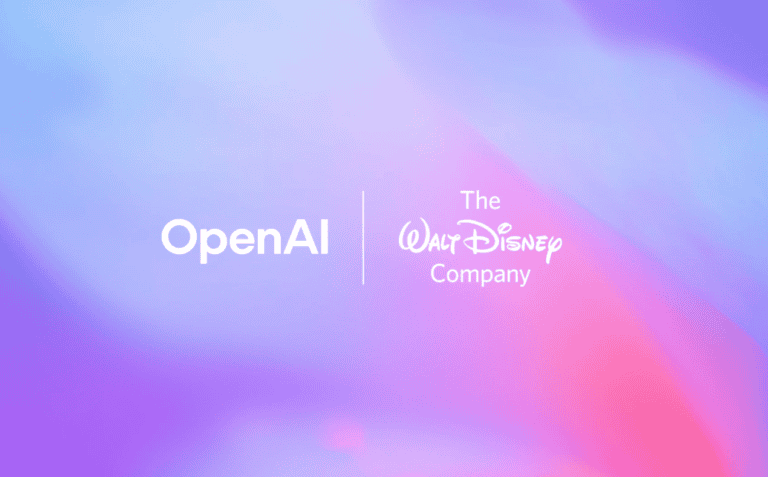
Table of Contents
Suddenly, the ground underneath Hollywood isn’t just shaking. It's actively reshaping. Disney, the company that built its empire on dreams and meticulously guarded intellectual property, has just dropped a seismic $1 billion equity investment into OpenAI. Look, it's real. This isn't some backlot rumor or studio whisper. We're talking about a formal, multi-year licensing deal that throws a full two hundred of Disney’s most iconic characters directly into the neural network-powered maw of OpenAI’s game-changing video generator, Sora. This is huge.
The news landed late today, sending ripples through every major studio, every indie production house, every executive suite on the lot. And why not? It radically alters the equation for content creation, for visual effects, even for how stories get told. Not just for Disney. But for everyone.
Bob Iger's Calculated Risk, or a Necessary Leap?
Think about Bob Iger. The Disney CEO. He's been here before, leading a legacy company through tectonic shifts. And he hasn’t shied away from stating, publicly, that AI might just be "the most powerful technology that our company has ever seen." A big statement, for sure. But the proof's in the pudding, and this deal, frankly, is a gallon of the stuff.
Iger and the Mouse House are clearly aiming to marry Disney’s vast creative universe with OpenAI’s bleeding-edge generative AI capabilities. This isn't merely about operational efficiencies, although you can bet your last Mickey Mouse ear hat that’s part of the play. It's about an interactive future for audiences, a future where fans can literally generate short-form content featuring Darth Vader dueling Buzz Lightyear, or perhaps a conversation between Moana and Groot. No doubt.
“Bringing together Disney's iconic stories and characters with OpenAI's groundbreaking technology puts imagination and creativity directly into the hands of Disney fans in ways we’ve never seen before,” Iger explained. And he’s right. That’s a bold vision.
This whole thing started to materialize months ago, sources close to the negotiations suggest. Discreet conversations, deep dives into AI’s potential and, yes, some serious talks about intellectual property protection, which, for Disney, is practically sacred scripture. But then again, Disney’s always embraced new technologies. Always. From pioneering animation techniques to the digital wizardry of Pixar, they innovate. They push.
But, it's a tightrope walk. You've got to protect your core, your very essence. Iger has publicly acknowledged that need, stressing precautions for IP protection, creator respect, and customer value as this technology sprints forward. This $1 billion isn't just a cash infusion; it's a commitment to shape that future, rather than letting it happen to them.
Sora: Hollywood’s New Storyteller, or Just a Fancy Sketchpad?
Sora. It's OpenAI's text-to-video model. The demos we've seen? Stunning. Jaw-dropping, even. The way it can render photorealistic video clips up to a minute long, from simple text prompts, is genuinely transformative. Complex scenes. Multiple characters. Specific motions. And a real understanding of how objects exist in the physical world. This thing’s a beast.
Imagine a director, fresh off a brainstorming session, wanting to visualize a complex chase sequence in downtown San Francisco. Or an animator needing a quick concept for a new creature interacting with a specific environment. With Sora, it's no longer weeks of previs. It's minutes. Sometimes, seconds.
This new pact gives OpenAI access to an unparalleled vault of characters and narrative archetypes. It's essentially training Sora on the very fabric of popular culture itself. And that's going to make Sora’s output not just technically impressive, but culturally resonant. Think about it. The nuanced expressions of a Pixar character. The kinetic energy of a Marvel superhero. That's now within Sora’s learning domain. For Hollywood, this means a massive accelerant to pre-production, to concept art, even to early cuts. We're talking about drastically reducing costs and production timelines. Something everyone wants to do.
But the disruption is real. Tyler Perry, a formidable name in the industry, reportedly put the brakes on an $800 million studio expansion after seeing what Sora could do. Job impacts. That’s the unspoken worry, often the very loud one. This Disney deal acknowledges the technology’s power head-on, while also, implicitly, staking a claim on how that power will be used. It's a calculated move to integrate the tech rather than be consumed by it. For more on these shifts, you should definitely check out our Related Post.
Licensing the Mouse: IP and the Creator Economy
The licensing aspect? Crucial. Absolutely. It's one thing for Sora to generate a generic animated character. It’s entirely another for it to create a brand-new scene starring Captain Jack Sparrow. This deal suggests a revenue-sharing model or at least a tightly controlled framework for using Disney’s extensive library. It’s about building a future, not just enabling piracy. And given the history, given how protective Disney has always been of its characters, this move is nothing short of revolutionary.
The recent WGA and SAG-AFTRA strikes hammered home just how seriously creators take the potential misuse of AI, especially concerning likenesses and script generation. This agreement, with its embedded licensing, directly addresses some of those fears by ensuring Disney maintains a level of control. It suggests a collaborative, rather than adversarial, approach.
This opens a fascinating door for the broader creator economy, too. If Disney can monetize its IP through AI-generated content, then theoretically, smaller creators with less powerful brands could follow suit. Think fan films on a scale previously unimaginable, legally, and potentially profitably.
The Broader Strokes: A New Era for Entertainment?
This Disney-OpenAI alliance won’t exist in a vacuum. Other studios? They're already playing with AI. Warner Bros. uses it for script analysis. 20th Century Fox used it to craft trailers. Netflix, of course, relies on it heavily for recommendations. This landscape is shifting fast.
But Disney's deep dive, particularly with Sora, signifies a coming of age for generative AI in mainstream entertainment. It’s moving beyond just efficiency and into direct, high-quality content creation. We could be looking at a future where concept development is dramatically streamlined, where indie filmmakers have access to unparalleled visual tools, and where fan engagement takes on entirely new forms. It’s exciting.
What about the challenges? They are plentiful. Ethical considerations remain. The fear of "deepfakes" and misinformation is still a potent concern, even with responsible AI deployment strategies in place. And then there’s the undeniable impact on jobs. It’s something that the industry must confront head-on. But Disney’s leadership, by pouring this capital into OpenAI, by making this bet, signals a clear intent to navigate these waters rather than just observe from the shore.
It’s a bold gambit from a company that doesn't usually make small moves. This $1 billion infusion isn’t just about technology. It’s about storytelling. It's about shaping the future, for better or worse, of what Hollywood will create and how we will consume it. For more details on what Disney's up to, our analysis section can tell you more. And really, if you have more questions, our Contact page is always there.
And we're just getting started. This isn't the final act. It's the overture. The potential for virtual actors, for interactive movies that adapt in real time, for entirely automated direction, it’s all on the horizon. But for today, Disney has ensured that Mickey Mouse isn’t just going along for the ride. He’s now helping to steer the AI-powered ship. Seriously.