The Playlist Payola Scandal: How Record Labels Pay $10M a Year to Control Spotify and Apple Music
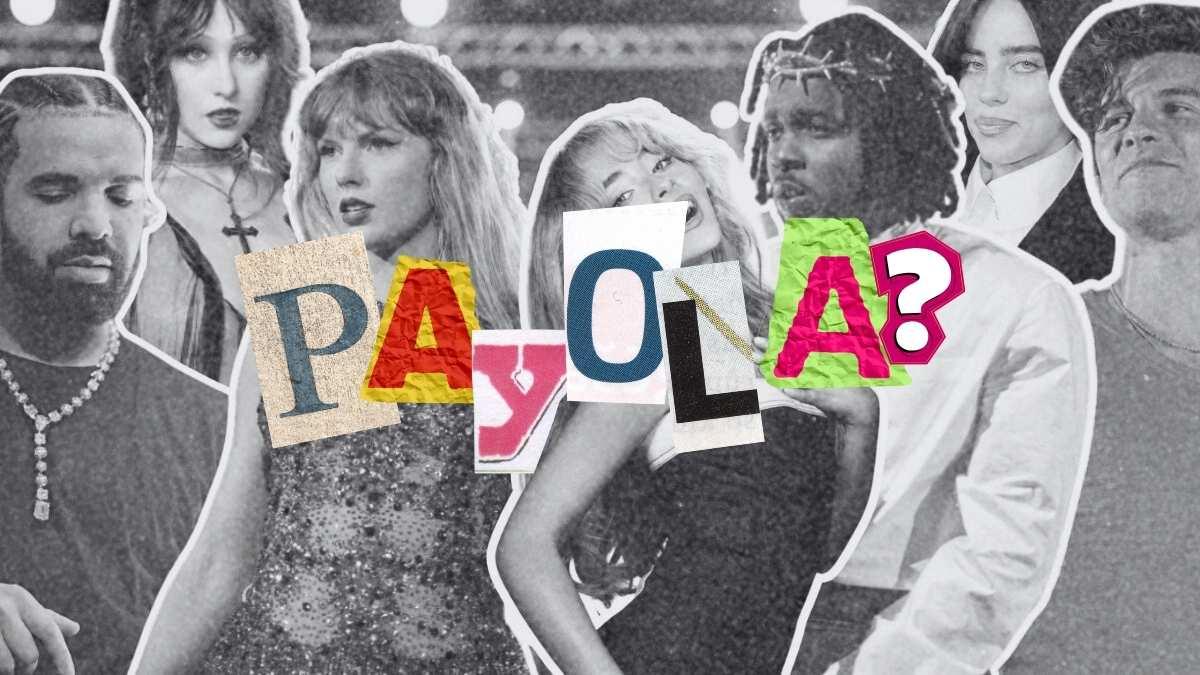
Table of Contents
Record labels have secretly weaponized streaming playlists into a $10 million annual pay-for-play scheme that's manipulating what millions listen to daily, sources tell DecodeHollywood.com. Insiders say it's a calculated evolution of old-school payola and a devastating blow against independent artists who can't afford to compete.
Multiple music industry sources confirm that major labels are funneling massive payments through third-party companies to secure prime playlist placements on Spotify and Apple Music, essentially buying their way onto the digital equivalent of radio's most coveted slots. "It's payola with a tech makeover," one longtime A&R executive tells DecodeHollywood.com. "The same dirty money, just flowing through different pipes."
Has Streaming Become the New Radio Payola Empire?
The practice mirrors the infamous payola scandals of the 1950s that destroyed careers and led to Congressional investigations, but today's version operates in a legal gray area that's proving nearly impossible to prosecute. Sources inside major streaming platforms describe a sophisticated network of playlist curators, promotional companies, and label executives orchestrating what amounts to modern-day bribery.
"Labels aren't directly paying Spotify or Apple Music," explains a former playlist curator who spoke on condition of anonymity. "They're paying companies like Spotlister and dozens of others who promise playlist placement. It's technically third-party, so everyone can claim clean hands." The Recording Academy has previously raised concerns about these "anti-creator pay-for-play practices" that mirror historical payola schemes.
Industry observers estimate the streaming playlist payola market has exploded to over $10 million annually, with individual placements commanding anywhere from $1,000 to $5,000 per song. The most coveted spots on major playlists allegedly cost exponentially more through backroom deals that sources describe as "the Wild West of music promotion."
Recent investigations have uncovered a web of suspicious playlist activity that suggests coordinated manipulation. Music industry experts note how "fake artists" with Swedish addresses—coincidentally near Spotify's headquarters—are generating massive streaming numbers that exceed Grammy-winning albums, raising questions about platform integrity.
Is Your Spotify "Discover Weekly" Actually Paid Programming?
The revelation comes as listeners increasingly notice bizarre patterns in their supposedly personalized playlists. Users have reported tracks by artists like Sabrina Carpenter and Taylor Swift mysteriously appearing in autoplay rotations even when they don't match listening habits, suggesting algorithmic manipulation.
"Spotify's Discovery Mode is basically legalized payola," claims a music attorney who has represented artists in streaming disputes. "Artists pay reduced royalty rates for algorithmic promotion, which means the platform profits twice—once from the promotional fee structure, and again from paying artists less."
Sources describe a tiered system where major labels negotiate bulk deals for multiple artists, while independent musicians face individual playlist curators demanding payments that can make or break careers. "If you don't pay, you don't play," says one indie label owner. "It's that simple, and that corrupt."
The scheme extends beyond simple playlist placement into what insiders call "ecosystem manipulation." Labels allegedly coordinate across multiple promotional companies to create the appearance of organic discovery while actually orchestrating calculated campaigns designed to dominate streaming algorithms.
The $10 Million Underground Economy Destroying Music Discovery
Fan theories on social media have been tracking suspicious patterns for months, with users documenting how certain songs appear across unrelated playlists in ways that defy natural curation. "People aren't stupid," says one music blogger who has monitored playlist activity. "When the same track shows up on indie rock playlists and meditation mixes, something's obviously wrong."
Industry veterans compare the current situation to the worst excesses of traditional radio payola, but with potentially greater impact given streaming's dominance of music consumption. "Radio DJs could only influence their local market," explains a former major label executive. "These playlist curators reach millions globally. The corruption potential is exponentially higher."
The financial incentives are staggering. Sources confirm that successful playlist placements can generate hundreds of thousands of streams within days, translating to substantial revenue and algorithmic momentum that carries songs to official platform features. "It's not just about the immediate payoff," notes one music industry analyst. "Paid placement can snowball into organic success, making the initial investment incredibly lucrative."
Behind the scenes, insiders describe a culture of open secrets where label executives routinely discuss which promotional companies deliver the best playlist results. "Everyone knows what's happening," says a source close to major streaming negotiations. "The platforms know, the labels know, the artists know. It's just become accepted business practice."
Will the FCC Investigation Expose Streaming's Dirty Secrets?
The streaming payola economy operates through what sources describe as deliberately obscured payment structures designed to avoid legal scrutiny. Recent FCC investigations into iHeartMedia for traditional payola practices have industry insiders wondering if streaming platforms could face similar regulatory action.
Legal experts suggest that current payola laws, written for traditional radio, may not adequately address streaming platform manipulation. "The statutes focus on broadcast disclosure requirements," explains one entertainment lawyer. "Streaming operates in a different regulatory space that's largely unpoliced."
Meanwhile, artists without major label backing describe an increasingly impossible landscape where organic discovery has been effectively monetized. "The playing field isn't just uneven—it's completely rigged," says one independent musician whose songs have been buried by promoted content. "How do you compete with million-dollar promotional budgets when you're an indie artist working part-time?"
Sources indicate that some of the most popular playlists on both Spotify and Apple Music are essentially paid programming masquerading as editorial curation. The practice has allegedly become so normalized that playlist curators openly solicit payments through industry networking events and private social media groups.
"The whole system has been corrupted," concludes one longtime music industry observer who has watched the streaming transformation unfold. "What started as democratizing music discovery has become the most sophisticated payola scheme in entertainment history. And unlike radio DJs taking cash in envelopes, this is all happening in legal gray areas that make prosecution nearly impossible."
Sources: