
Adolescence's $80M Gamble: How Netflix's Gritty UK Crime Drama Crushed The Penguin
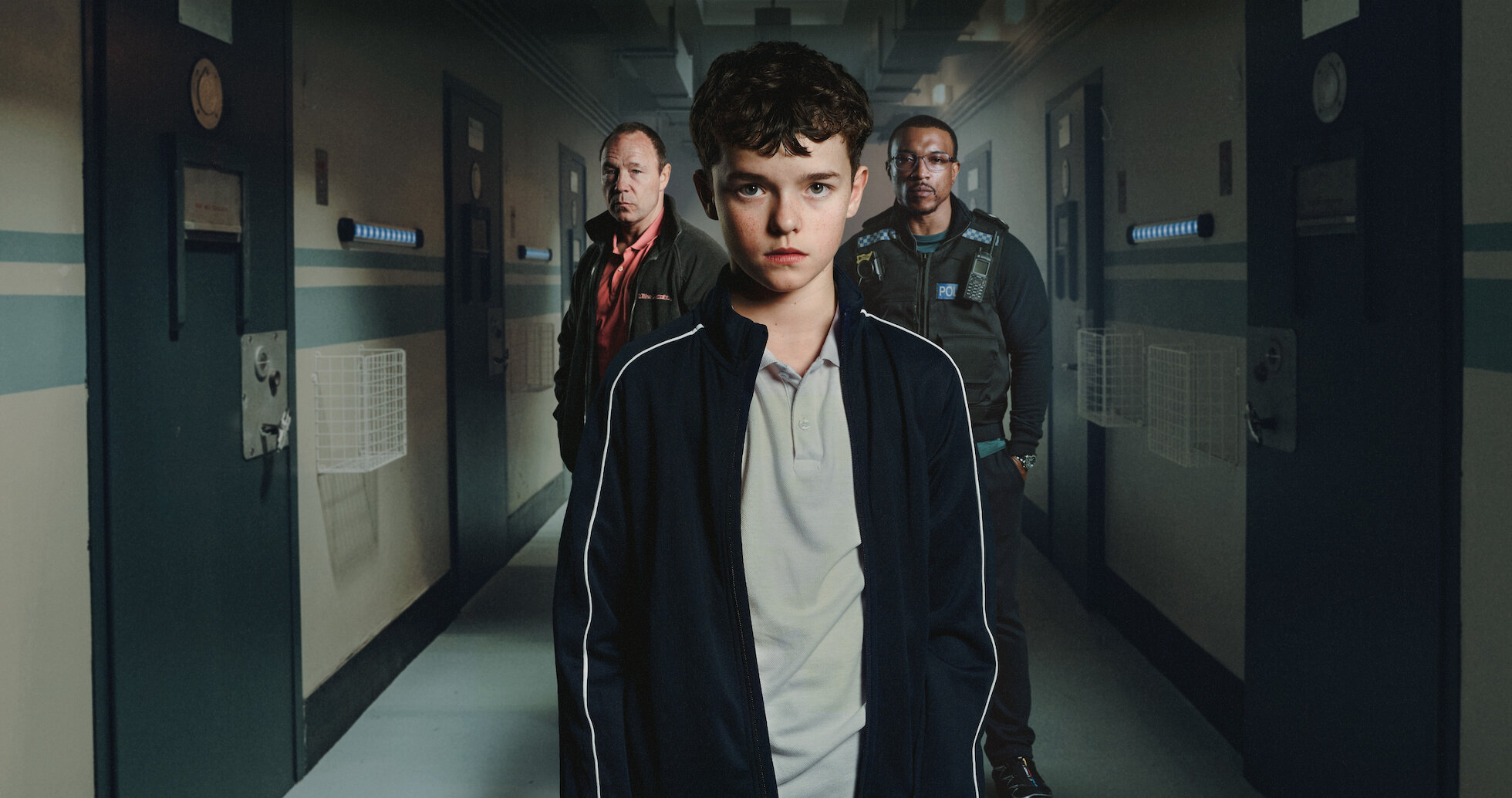
Table of Contents
Netflix has secretly transformed international content into Hollywood's new power currency, sources tell DecodeHollywood.com. Insiders say the streaming giant's bold investment in British limited series Adolescence wasn't just a content play but a calculated strike against traditional studio prestige, humiliating HBO's $100 million The Penguin at the 2025 Emmys and rewriting the rules of awards season forever.
The Yorkshire-shot crime drama didn't just win at the September 14 ceremony. It dominated, claiming eight Emmy trophies including Outstanding Limited or Anthology Series while HBO's comic book adaptation watched its 24 nominations translate into mostly empty hands. Stephen Graham became a triple Emmy winner in a single night for acting, writing, and producing, while first-time actor Owen Cooper made history at 15 as the youngest male Emmy winner ever. Colin Farrell and The Penguin's army of prosthetic artists left stunned.
"This wasn't a competition. It was an execution," one streaming executive tells DecodeHollywood.com. "Netflix took a show nobody in America had heard of three months ago, shot in some town in England nobody can pronounce, and used it to absolutely embarrass Warner Bros. Discovery's most expensive prestige play of the year."
Has Netflix Been Planning This International Takeover for Years?
The Emmy bloodbath reveals what sources describe as Netflix's long-game strategy to dominate prestige television while spending half what traditional studios invest. Industry insiders whisper that Adolescence's 13 Emmy nominationswere no accident but the culmination of years of careful positioning in international markets.
"Ted Sarandos saw this coming in 2019," reveals one source close to Netflix's content strategy. "He knew HBO and Disney couldn't compete globally on production volume. So Netflix started building these creative hubs in the UK, Korea, Spain, anywhere they could find authentic storytellers willing to work for American indie budgets instead of Hollywood blockbuster money."
The strategy paid off spectacularly. While The Penguin reportedly burned through $80-100 million across eight episodes, Adolescence delivered four hours of television for what sources estimate at under $40 million. Each episode was filmed in a single unbroken take, a technical flex that required three-week production blocks per episode but eliminated expensive post-production costs.
"They rehearsed for a week, did technical run-throughs for a week, then shot two takes a day for a week," explains one crew member who worked on the production. "Sometimes they needed 13 or 16 takes for an episode, but compare that to the months of editing and visual effects The Penguin required. Netflix found a way to make prestige television like indie films, fast and lean."
The content itself struck a nerve The Penguin never could. Adolescence confronts toxic masculinity, social media radicalization, and the real-world epidemic of teenage boys committing violence against girls. Jamie Miller, the 13-year-old murderer at the story's center, wasn't inspired by the Joker or any comic book villain. He was inspired by Andrew Tate and the manosphere, the same cultural forces parents worldwide fear are corrupting their sons.
"HBO made a show about a fictional mobster," says another source. "Netflix made a show about every parent's worst nightmare becoming real. Which one deserves eight Emmys?"
Did HBO's Franchise Obsession Doom The Penguin?
The Penguin entered Emmy season as the presumptive frontrunner. Colin Farrell had already swept the Golden Globes, SAG Awards, and Critics Choice Awards for his transformative performance as Oz Cobb. The prosthetic makeup work was universally praised as groundbreaking. The show earned rapturous reviews and respectable viewership numbers. By every traditional metric, it should have dominated.
But sources suggest Emmy voters saw something else entirely when they compared screeners. The Penguin, for all its artistic achievement, was still a spin-off of a Batman movie, another entry in Warner Bros.' desperate attempt to build a DC Universe that could compete with Marvel. Adolescence was a standalone story with something urgent to say about the world right now.
"The Television Academy has been moving away from franchise content for years," reveals one Emmy voter who requested anonymity. "Look at what wins Best Drama Series lately. It's never the Star Wars show or the Marvel show. It's Succession, The Bear, shows that feel necessary rather than strategic. Adolescence felt necessary. The Penguin felt like very expensive IP exploitation."
The voting patterns tell the story. The Penguin secured nominations across technical categories but won almost nothing. Adolescence swept acting, writing, directing, and the top prize. One show was admired for its craft. The other was celebrated for its courage.
"Colin Farrell disappeared into that role and still lost to Stephen Graham playing a working-class dad from Northern England," notes another source. "That tells you everything about what Emmy voters value now. They don't want movie stars in makeup. They want authenticity that makes them uncomfortable."
The content divide between the shows couldn't be starker. The Penguin asks viewers to root for a charismatic villain climbing Gotham's criminal hierarchy. Adolescence asks viewers to sit in an interrogation room while a child explains why he stabbed his classmate to death after she called him an incel on Instagram. One is entertainment. The other is mirror.
Is Netflix's UK Investment Strategy Unstoppable?
The Adolescence phenomenon marks Netflix's second consecutive Emmy-winning British limited series, following Baby Reindeer's 2024 sweep. Sources within multiple streaming services confirm this pattern isn't coincidence but calculated domination of a market segment competitors can't match.
"Netflix is producing more UK drama in a year than the BBC and ITV combined," reveals one British television executive. "They've essentially colonized the UK production ecosystem. Every talented writer, director, and actor in Britain is taking Netflix meetings because they're the only ones with budgets."
The numbers support this assessment. Netflix increased drama production by 50% between 2023 and 2024, with the UK receiving disproportionate investment. The strategy leverages lower production costs, tax incentives, and a talent pool desperate for work after years of British broadcaster budget cuts.
"You can make four UK limited series for the cost of one HBO American production," explains one streaming analyst. "If two of those four break through globally, you've already won on return on investment. If one wins eight Emmys and becomes the second most-watched English-language show in Netflix history, you've completely dominated."
Adolescence has generated 141.2 million views in its first 91 days, placing it just behind Wednesday on Netflix's all-time English-language viewership list. Those numbers dwarf The Penguin's HBO Max performance, despite the DC show's massive promotional budget and Colin Farrell's awards season campaign.
"HBO spent millions promoting The Penguin during football games and across Warner Bros. properties," says another source. "Netflix let Adolescence find its audience organically through social media and word of mouth. The show went viral because people couldn't stop talking about how devastating it was. That's free marketing money can't buy."
Are American Streaming Services Panicking About International Competition?
Multiple sources confirm that every major American streaming service held emergency strategy sessions in the days following the Emmy ceremony, trying to understand how Netflix's international content machine has become virtually unstoppable.
"Disney+, Paramount+, Peacock, they're all asking the same questions," reveals one streaming consultant who advises multiple platforms. "How do we compete with a company that can produce prestige content in 30 countries simultaneously? How do we find the next Adolescence when we don't have production infrastructure in Yorkshire?"
Netflix's $18 billion content budget for 2025 dwarfs every competitor's spending, but the real advantage lies in global distribution. A show like Adolescence can be marketed to UK audiences as a British drama, to American audiences as a gritty crime thriller, and to European audiences as a social commentary on masculine radicalization. The same content serves multiple demographics across Netflix's 300 million subscribers.
"HBO Max has maybe 100 million subscribers globally," explains another source. "When they spend $100 million on The Penguin, they're trying to serve that entire audience with one show. Netflix can spend $40 million on Adolescence knowing it primarily serves UK and European subscribers, then watch it break through in America as a bonus. That's a completely different risk calculation."
The Adolescence cast further highlights Netflix's efficiency advantage. Owen Cooper was literally discovered through a regional drama school for underprivileged youth. He had never acted professionally before. He's now an Emmy winner who cost Netflix essentially nothing compared to an established American actor.
"Stephen Graham is a respected character actor but he's not a household name in America," notes one casting director. "Netflix didn't need him to be. They needed him to be authentic. That's the talent arbitrage opportunity American networks don't understand. You can find brilliant actors anywhere in the world who work for scale because they need the break."
Will This Change How Hollywood Approaches Prestige Television?
The shockwaves from Adolescence's Emmy demolition of The Penguin are still rippling through Hollywood's executive suites. Sources confirm that at least three major studios have already begun redirecting resources toward international co-productions and away from expensive American limited series.
"The math doesn't work anymore for $100 million limited series shot in Los Angeles," admits one studio head who requested anonymity. "We're in conversations with British, Korean, and Spanish production companies right now about projects we would have made domestically six months ago. Netflix just proved the model works."
The cultural impact extends beyond mere business strategy. Adolescence has been screened in British and French schools as part of government campaigns against online radicalization and toxic masculinity. The French government specifically requested Netflix's permission to use the series in educational settings, something The Penguin will never achieve.
"That's the new prestige," explains one final source. "It's not about how much money you spent or how many A-listers you cast. It's about whether your show matters enough that governments want to use it to educate children. The Penguin will be forgotten in two years. Adolescence will be studied in sociology classes for a generation."
For HBO and the traditional Hollywood establishment, the Emmy results represent an existential crisis. The old formula of spending massive budgets on franchise IP and movie stars no longer guarantees awards success or cultural relevance. Netflix's international content strategy has proven more efficient, more scalable, and more effective at connecting with viewers and critics alike.
"This is the new arms race," concludes another streaming executive. "It's not about who can spend the most money anymore. It's about who can find authentic stories in overlooked corners of the world and bring them to global audiences. Netflix is winning that race by five years. The rest of us are scrambling to catch up before they own prestige television completely."
The Penguin may have been HBO's most ambitious comic book adaptation yet. But in September 2025, it learned that ambition without authenticity means nothing when competing against Netflix's global content machine. And that expensive lesson came courtesy of four hours of Yorkshire television that nobody in Hollywood saw coming.
Sources:
- The Hollywood Reporter - 2025 Emmy Limited Series: 'Adolescence' Wins
- Netflix Tudum - Emmy 2025 Winners on Netflix: Adolescence Sweeps
- Deadline - Stephen Graham Says "Give Your Mates A Cuddle" After 'Adolescence' Wins Top Drama Emmy
- Broadcast - Breaking down the content behind Netflix's winning strategy
- Variety - Why Netflix's Global Content Strategy Is Doubly Effective