The Secret Story Behind Johnny Depp's Astonishing Comeback After Nightmare 7 Years
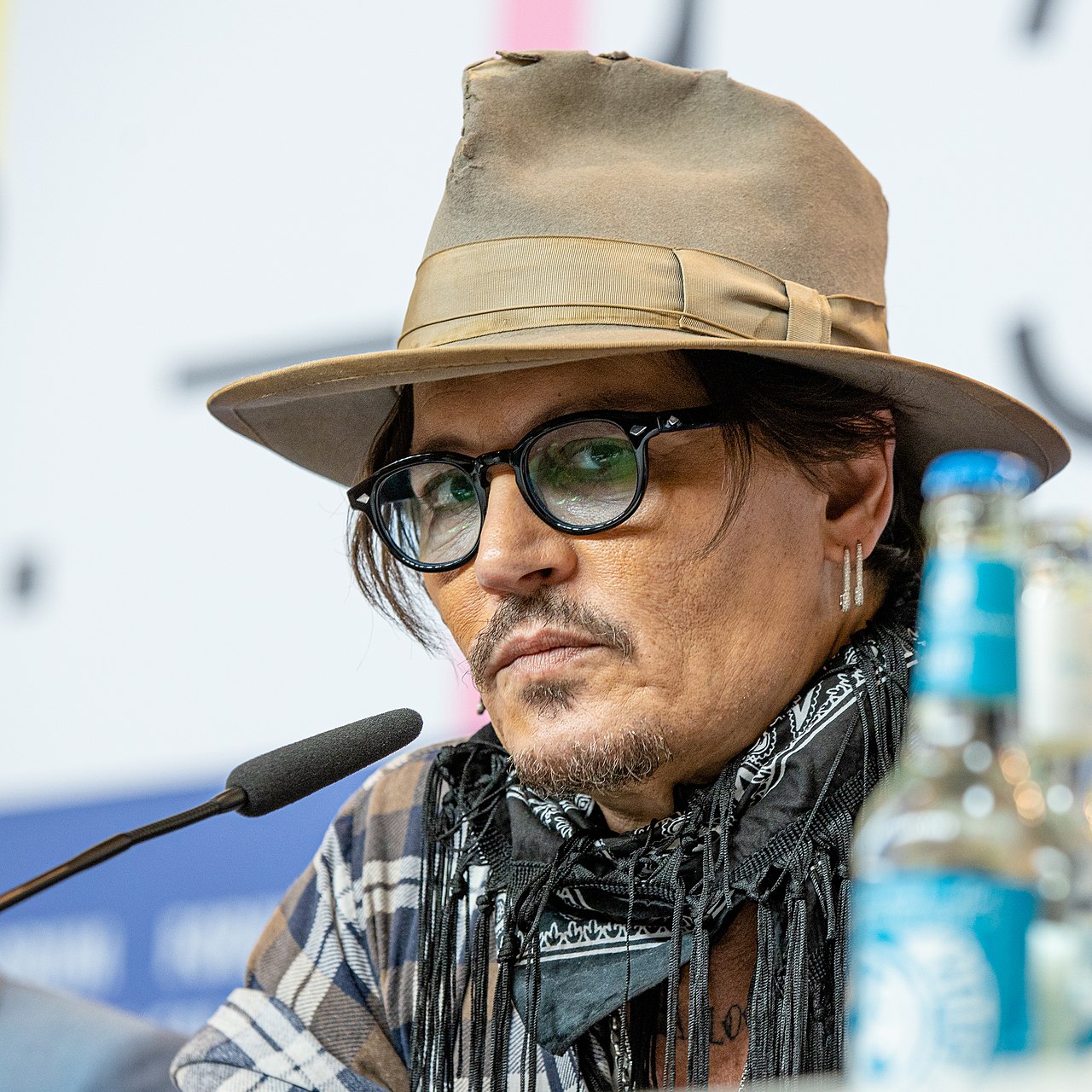
Table of Contents
It is late 2025 and the ink is drying on contracts that few thought would ever be written again. Johnny Depp is back. But don't let the fan cams or the standing ovations at Cannes fool you. This wasn't a miracle. It was a heist.
The narrative you have been fed is one of "redemption" or "mob justice" depending on which side of the TikTok algorithm you occupy. The reality is far colder and more interesting. Depp’s return to the studio fold capped by the stunning news that he will play Ebenezer Scrooge in a major Paramount production was not an emotional pivot by Hollywood executives. It was a financial squeeze play engineered from Europe and the Middle East.
Here is the thing. Hollywood studios are risk-averse multinational corporations. They do not operate on feelings. They operate on liability insurance and shareholder confidence. For seven years, Depp was a liability. The secret story of his return is how his team utilized Saudi cultural funds, French luxury heavyweights, and calculated indie maneuverings to make him an asset again.
The Saudi Lifeline
While Los Angeles closed its blinds, a new player was entering the global film market with deeper pockets and fewer qualms. The Red Sea Film Foundation, the financing arm of Saudi Arabia's burgeoning cinema sector, became the silent engine behind Depp’s artistic survival.
When traditional financing evaporated for Depp’s projects, it was Saudi money that stepped in to back Jeanne du Barry and later his directorial effort Modi. This wasn't charity. It was a strategic asset acquisition. Saudi Arabia wanted credibility in the auteur space. Depp needed cash and a camera. The transaction was simple.
This capital allowed Depp to work outside the purview of the American guild system and the nervous errors of Burbank lawyers. Modi, a biopic of Italian artist Amedeo Modigliani featuring Al Pacino, would likely never have been greenlit by a traditional US studio in 2023. With funding from the Red Sea Film Foundation, Depp didn't need a greenlight. He just needed a check.
The $20 Million Perfume Shield
If Saudi Arabia provided the production budget, France provided the armor. The single most critical factor in keeping the "Johnny Depp" brand alive during the darkest days of 2020 through 2022 was not a movie role. It was a bottle of cologne.
Dior’s decision to stand by Depp as the face of Sauvage was analyzed by crisis PR experts as insane. It turned out to be genius. While Disney and Warner Bros. stripped him of Pirates and Fantastic Beasts respectively, Dior held the line. They signed him to a massive three-year deal worth upwards of $20 million. This is the biggest men's fragrance pact in history.
Why does this matter? Because it maintained his visibility in a premium context. Every time a studio exec walked through an airport duty-free shop in London or Dubai, they saw Depp’s face on a backlit display. He wasn't "cancelled" there. He was a luxury commodity. Sales of Sauvage reportedly skyrocketed during the defamation trial. This hard data gave Depp’s team a cudgel to use in negotiations. They could point to Q3 earnings calls from LVMH and say, "The public is still buying what he is selling."
The "Art-First" Trojan Horse
The strategy to re-enter Hollywood was specific. Do not aim for a blockbuster immediately. That reeks of desperation. Instead, go for the "tortured artist" angle.
Depp’s camp, likely advising a pivot to Europe, knew that a French period piece like Jeanne du Barry would play well at festivals even if it bored general audiences. It was a prestige play. The film’s warm reception at Cannes served its purpose. It shifted the headline from "Courtroom Drama" to "Cinema."
Then came Modi. Released in North America in November 2025 by Vertical Entertainment, the film was never destined to be Avengers. It was a signal flare. It showed he could insure a production, manage a set, and deliver a finished product. Vertical is known for taking risks on commercially viable but critical wildcards. By taking the indie distributor route, Depp bypassed the major studios' "no-fly" lists. He proved he was insurable again.
The Friends in High Places
We cannot ignore the loyalty factor. In an industry defined by fair-weather friendships, a few heavyweights put their own capital at risk. Al Pacino didn't just co-star in Modi; he produced it. He championed the project for years and insisted Depp direct it. That is a stamp of approval that makes insurers relax.
Similarly, Penélope Cruz signing on for the upcoming action-thriller Day Drinker alongside Depp is a massive signal. Cruz is royalty in the international market. Her presence essentially guarantees foreign pre-sales, which mitigates the risk for the financiers. Lionsgate handling international sales for Day Drinker marks the first time a major US mini-major has officially dipped its toe back into the Depp water.
The Payoff: Ebenezer and Beyond
So here we are. Reports are now circulating that Depp is finalizing a deal to play Ebenezer Scrooge in a Paramount-backed retelling of A Christmas Carol. This is the endgame. A classic role. A major studio. A holiday release.
This didn't happen because Paramount felt sorry for him. It happened because the math changed. The Saudi productions proved the workflow was intact. The Dior deal proved the consumer base was intact. The indie releases proved the distribution pipelines were open.
Johnny Depp’s comeback wasn't about winning a court case. That was just the PR battle. The war was won in boardrooms in Riyadh, Paris, and London, far away from the flashing lights of the TMZ cameras. He didn't ask for permission to return. He leveraged foreign capital and luxury retail dominance to make his return inevitable.
Sources
- Deadline: Johnny Depp’s ‘Jeanne Du Barry’ Backed By Saudi Arabia’s Red Sea Film Foundation
- Variety: Johnny Depp Signs $20 Million-Plus Dior Deal, Biggest of All Time
- Hollywood Reporter: Johnny Depp Holds Court at Cannes With ‘Jeanne du Barry’
- People: Johnny Depp Shares Photos with Al Pacino from Set of 'Modi'
- Hollywood Reporter: Johnny Depp and Penélope Cruz to Reteam for 'Day Drinker'
- RadarOnline: Johnny Depp Set for 'Ultimate Redemption' Role as Scrooge